
As the frost thaws and the days stretch longer, we often equate spring and summer with a sense of liberation. We open our windows to catch the breeze and head outdoors to reclaim our patios. However, this seasonal shift brings more than just warmth and blossoms; it ushers in a significant spike in noise pollution, an “invisible” environmental threat that impacts our health far more deeply than a simple moment of annoyance.
The Seasonal Symphony of Chaos
In the winter, the cold keeps us—and our machinery—indoors. But as the temperature rises, the acoustic landscape transforms. The quiet of February is replaced by a cacophony of seasonal stressors:
-
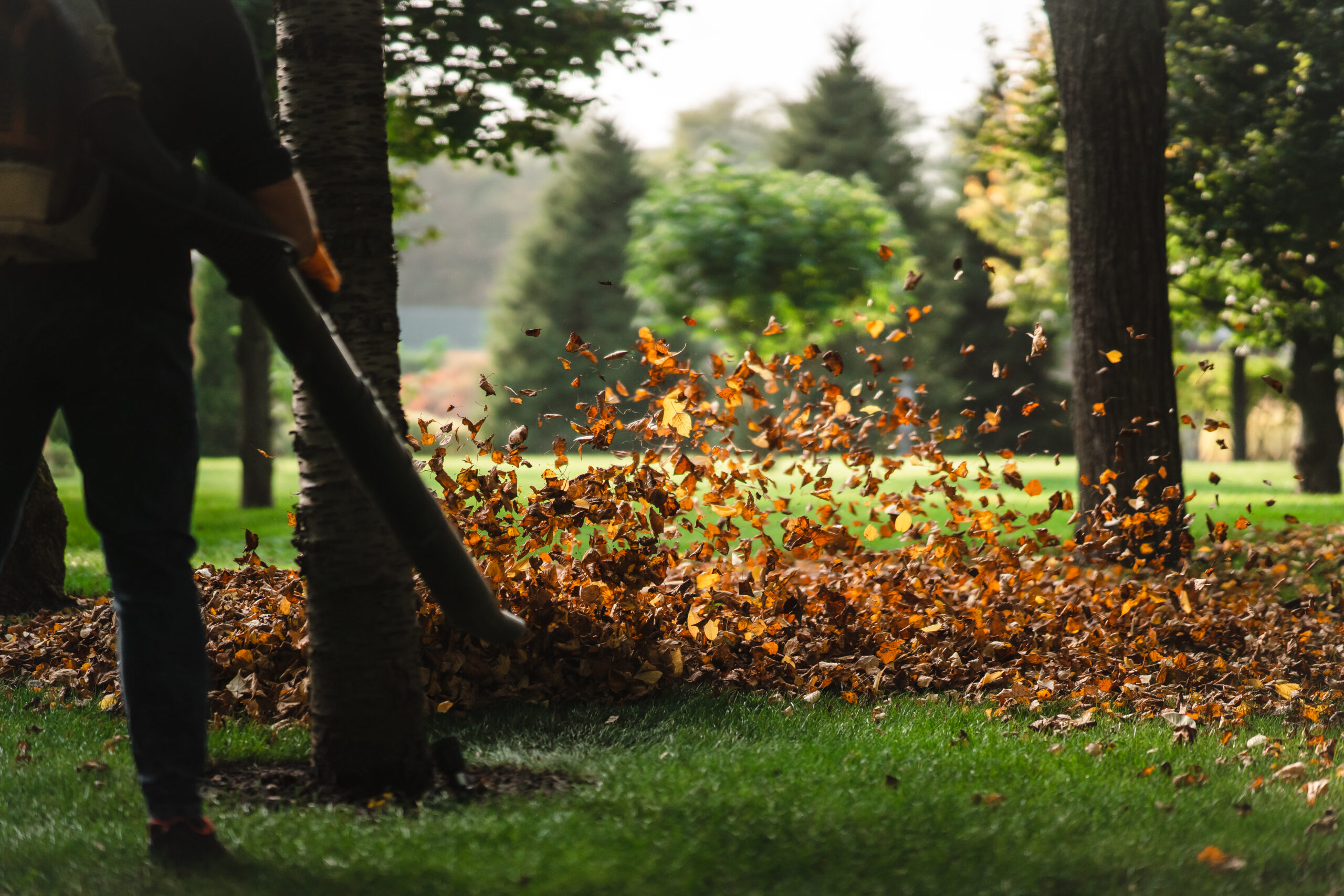
Landscaping Artillery: The roar of lawnmowers, leaf blowers, and hedge trimmers becomes a weekend constant. Gas-powered leaf blowers, in particular, can emit sound levels exceeding 90 to 100 decibels (dB), well above the threshold where hearing damage can begin.
-
Social and Recreational Noise: Street festivals, outdoor concerts, and late-night backyard parties increase ambient noise levels in residential areas.
-
Construction Surge: Warmer weather is the peak season for infrastructure repairs and home renovations, introducing the jarring sounds of jackhammers and heavy machinery.
-
Increased Travel: From the hum of increased highway traffic to the overhead drone of airplanes heading to vacation destinations, the sheer volume of movement spikes in the summer.
Why It Matters: Beyond the Ears
It is a common misconception that noise pollution is only a threat to our hearing. While Noise-Induced Hearing Loss (NIHL) is a primary concern, the physiological effects of chronic noise are systemic.
When we are exposed to loud or persistent sounds, our bodies trigger a “fight or flight” response. This release of cortisol and adrenaline happens even if we think we have “tuned out” the noise. Over time, this chronic stress leads to:
-
Cardiovascular Issues: Studies have linked long-term noise exposure to increased blood pressure, heart disease, and a higher risk of stroke.
-
Sleep Fragmentation: Summer noises—like a neighbor’s AC unit or late-night traffic—can disrupt sleep cycles. Even if you don’t fully wake up, the noise prevents you from reaching the deep, restorative stages of REM sleep.
-
Cognitive Impairment: In children, chronic noise exposure has been shown to affect reading comprehension, memory, and standardized test scores.
Reclaiming Your Acoustic Space
While we cannot control the city’s construction schedule or the neighbor’s mower, we can take steps to mitigate the impact:
-
Strategic Landscaping: Planting “sound buffers” like thick hedges or evergreens can help absorb some local street noise.
-
The “Quiet” Hour: Advocate for local noise ordinances that limit the use of heavy machinery during early mornings or late evenings.
-
Personal Protection: Use high-quality earplugs during concerts or while operating power tools. Inside the home, white noise machines or heavy curtains can help dampen the seasonal roar.
The Bottom Line: Silence isn’t just a luxury; it is a biological necessity. This spring and summer, as you enjoy the outdoors, stay mindful of the soundscape. Protecting your ears and your peace of mind is just as important as wearing sunscreen.